10+ Dupatta Styling Ways Every Indian Woman Should Know

One dupatta, ten looks. Master the art of draping and turn your simplest ethnic outfit into a showstopper.
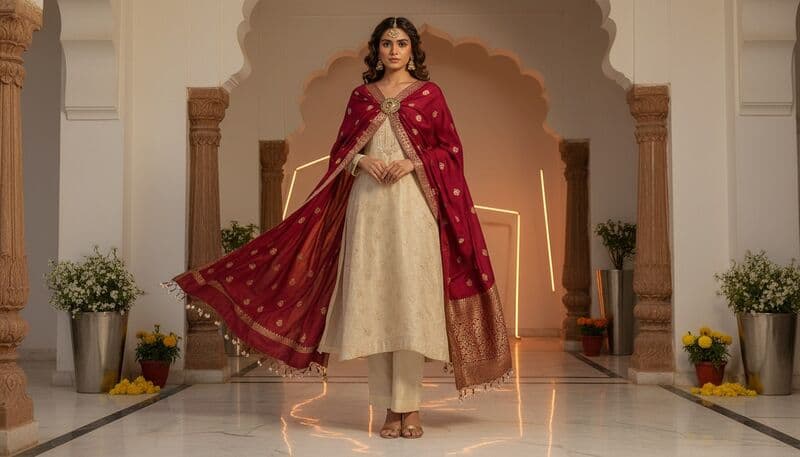
The dupatta is the most underrated styling weapon in an Indian woman's wardrobe. Most women treat it as an afterthought — something to throw over the shoulder and forget about. But styled right, a dupatta can transform a ₹500 kurti into a showstopper.
Think about it. No other accessory can function as a scarf, cape, belt, jacket, and headpiece all in one. No other single piece of fabric can take the same outfit from casual to festive, from modern to traditional, just by changing how you drape it.
Here are 10+ dupatta styling ways that every Indian woman should have in her repertoire — from classic drapes to contemporary styles that will earn you compliments.
Classic Draping Styles That Never Go Out of Fashion
1. The Front Pallu Drape
The most traditional style. Drape the dupatta over both shoulders with the pallu (decorated end) falling in front. This is the go-to for formal ethnic occasions — pooja, temple visits, and meeting elders. It works beautifully with salwar kameez and Anarkali suits.
To keep it in place without pins, choose a heavier fabric like cotton or silk. Lightweight fabrics like chiffon will slip constantly.
2. The One-Shoulder Drape
The modern classic. Drape the dupatta diagonally across your body, pinning it at one shoulder and letting it fall over the back. This is the most universally flattering drape — it creates a long diagonal line that elongates the body.
Perfect for: kurtis, salwar suits, and casual ethnic wear. Use a single safety pin at the shoulder for a secure, effortless look.
3. The Back Drape
Both ends fall behind you, with the dupatta draped across the back. This is perfect when you want to show off the front of your outfit — an embroidered kurti, a statement necklace, or a beautiful neckline. Common in Punjabi styling with patiala suits.
Contemporary Draping Styles — Modern and Eye-Catching
4. The Cape Style
Drape the dupatta over both shoulders like a cape, letting it fall open in front. This is one of the most trendy and Instagram-worthy drapes right now. It adds drama and movement to any outfit.
Best with: Anarkalis, lehengas, and palazzo suits. Use a lightweight fabric like georgette or organza for that flowing cape effect. Pin at both shoulders for security.
For the perfect cape drape, the dupatta should be at least 2.5 metres long. Shorter dupattas will not create enough flow. Organza dupattas give the most dramatic cape effect because of their stiffness and sheen.
5. The Belted Dupatta
Drape the dupatta normally, then cinch it at the waist with a slim belt or kamarband. This defines your waist, adds structure, and creates a completely different silhouette. It is especially flattering for apple body types and anyone who wants to create an hourglass shape.
Works beautifully with: Anarkalis, long kurtis, and even sarees (try belting the pallu for a modern look). Use a metallic belt for festive occasions or a fabric belt for everyday styling.
6. The Jacket-Style Drape
Wrap the dupatta around your torso, crossing it in front and tucking the ends at the back — it looks like a structured jacket. This is a high-fashion drape that works for cocktail events, sangeets, and evening outings.
Best with: fitted kurtis, crop tops with lehengas, and even saree blouses. Use a stiff fabric like raw silk or brocade for the most structured look.
7. The Double Drape
Take two dupattas — one draped traditionally and one used as a cape or belt. This layered look adds depth and richness to festive outfits. It is common in bridal and wedding guest styling.
Tip: Use contrasting colours or textures. For example, a sheer organza dupatta as a cape over a printed cotton dupatta draped at the shoulder.
Statement Draping Styles for Special Occasions
8. The Saree-Style Pallu
Pleat the dupatta and drape it over one shoulder like a saree pallu. This creates a structured, formal look that is perfect for wedding functions and festive celebrations. It gives the elegance of a saree without actually wearing one.
Want This Personalised for YOU?
Get your face shape, body type & skin tone analysed — plus 32 ready-to-wear looks.
Best with: palazzo suits and lehengas. Use silk or georgette dupattas that hold pleats well.
9. The Turban or Headwrap
Wrap the dupatta around your head in a loose turban style. This is a bold, fashion-forward look that works for mehendi functions, beach events, and styled photoshoots. It also protects your hair from sun and dust.
10. The Stole Drape
Simply let the dupatta hang around your neck like a stole, with both ends falling in front. This is the most casual and effortless drape. It works when you want the dupatta to be an accent piece rather than a styling centrepiece.
Perfect for: cotton dupattas with jeans and kurtis, or a quick temple visit where you need a dupatta but do not want fuss.
11. The Lehenga Dupatta — Front Pleat and Back Flow
Specifically for lehengas — pin the dupatta at the waist on one side, let it fall across the front in pleats, drape it over the opposite shoulder, and let the rest flow behind. This is the most photographed bridal dupatta style and creates a stunning cascading effect.
Which Dupatta Drape for Which Outfit?
- Salwar kameez: Front pallu, one-shoulder, or back drape
- Anarkali: Cape style, belted, or saree-style pallu
- Lehenga: Front pleat with back flow, double drape, or cape
- Palazzo suit: One-shoulder, cape, or belted
- Kurti with jeans: Stole drape or one-shoulder (keep it casual)
- Saree (as second dupatta): Cape over pallu for layered bridal look
“A dupatta is not just fabric. It is a styling tool. The same dupatta draped five different ways gives you five different outfits. That is the power of knowing how to drape.”
Fabric Guide — Which Dupatta for Which Drape
The fabric of your dupatta determines which draping styles are even possible. Here is a quick guide.
- Chiffon — Lightweight and flowy. Best for one-shoulder, stole, and casual drapes. Does not hold structure for belted or jacket styles.
- Georgette — Slightly heavier than chiffon, holds drapes better. Versatile — works for cape, one-shoulder, and saree-pallu styles.
- Cotton — Has body and structure. Best for front pallu, back drape, and belted styles. Daily wear favourite.
- Silk — Rich, holds pleats beautifully. Perfect for saree-pallu, front pleat, and formal drapes. Best for festive and wedding occasions.
- Organza — Stiff and sheer. Creates the most dramatic cape and layered looks. The current favourite for bridal and festive styling.
- Net — Sheer and delicate. Best as a second dupatta for layering. Avoid as a standalone dupatta — it lacks substance.
If you can only buy one statement dupatta, make it an organza dupatta in a jewel tone (emerald, ruby, or sapphire). Organza holds every drape style, photographs beautifully, and instantly upgrades any basic outfit.
Dupatta Styling for Different Body Types
- Broad shoulders: Avoid cape and double drape styles that add width. Stick to one-shoulder and front pallu drapes that create a vertical line.
- Heavy bust: Avoid bulky front drapes. The one-shoulder drape that falls diagonally across the chest is most flattering. Avoid gathering fabric at the bust.
- Fuller midsection: The belted dupatta is your best friend — it creates waist definition. Avoid letting the dupatta hang loose and shapeless in front.
- Petite frame: Avoid very long, heavy dupattas that overwhelm you. Choose lightweight fabrics and drapes that do not add bulk (one-shoulder, stole).
- Tall frame: You can carry every drape style, including double drapes and dramatic capes. Use the dupatta to add horizontal interest if you want to balance height.
Pinned vs Pin-Free Draping
The eternal question — to pin or not to pin?
- Pin-free draping works best with heavier fabrics (cotton, silk, heavy georgette) and casual occasions where the dupatta falling is not a disaster.
- Pinned draping is essential for dancing (garba, sangeet), windy outdoor events, and any style where the dupatta must stay in position (cape, jacket, saree-pallu).
- Use small, flat safety pins that do not show. Pin from the inside of the fabric.
- For lehengas and formal wear, use dupatta hooks (small metal clips that do not damage fabric) — available for ₹50-₹100 on Amazon.
“The mark of a well-styled dupatta is that it looks effortless — whether it is held by three pins or sheer gravity. Nobody should see the mechanics, only the magic.”
Elevate Your Ethnic Style with the Right Drape
The dupatta is the difference between an outfit that looks basic and one that looks styled. Learning even three or four of these draping techniques will multiply your wardrobe options dramatically — because the same outfit with a different dupatta drape is essentially a new look.
Want to know exactly which draping styles, fabrics, and accessories suit your body type and face shape? Our Personalised Style Report at ₹1,999 includes a complete body type guide, face shape analysis, skin tone matching, personalised colour palette, and 32 fully styled looks — including ethnic wear styling tailored specifically to your features.
Stop Guessing. Start Dressing With Confidence.
Get your face shape, body type & skin tone analysed — plus 32 ready-to-wear looks made just for you.
Get Your Personalised ReportPersonalised styling by Divas Club
More Style Tips
Kurti Styling Tips — How to Style Kurtis for Every Occasion
One kurti, five looks. Master the art of styling kurtis for office, casual outings, festive events, and everything in between.
Ethnic Wear Styling Tips Every Indian Woman Should Know
A ₹800 suit can look designer — if you style it right. 8 ethnic wear secrets that change everything.
5 Accessories That Elevate Every Ethnic Outfit
Simple outfit + right accessories = showstopper. These 5 pieces transform any ethnic look from basic to breathtaking.