How to Find Your Body Type — Indian Woman's Complete Guide

A step-by-step guide to finding your body type (Pear, Apple, Hourglass, Rectangle, Inverted Triangle) using a simple at-home measurement test. Includes silhouette and fabric recommendations tailored for Indian women.
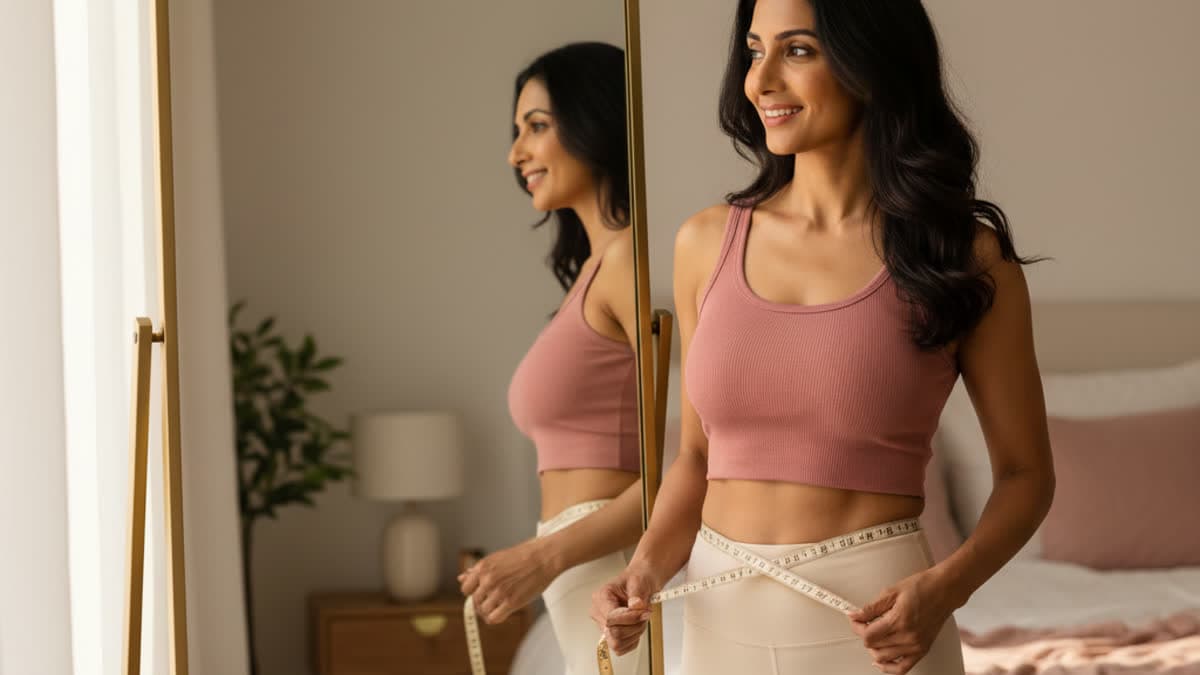
Standing in front of the mirror after an online shopping spree, holding up yet another kurta that hangs awkwardly at the hips or clings uncomfortably at the waist. If this scene feels familiar, you are not alone. How to find your body type is the single most important styling skill that most of us skip entirely, and it is the reason why a stunning piece on the model looks completely different on you. The good news? Understanding your shape is simpler than you think, and once you do, every shopping trip becomes a confident, joyful experience.
Here is what most Indian women get wrong. We buy based on trends, influencer recommendations, or what looks good on a friend. We ignore proportions. A gorgeous Anarkali might swallow a petite frame, while a straight-cut cotton kurta might do nothing for curves that need definition. Without knowing your body type, you are essentially styling in the dark, wasting money on pieces that fight your natural silhouette instead of celebrating it.
This guide gives you a simple, reliable way to find your body type at home. No apps, no expensive scanning machines, no confusing Western sizing charts that do not account for Indian proportions. Just a measuring tape, a mirror, and about ten minutes. By the end, you will know exactly which of the five main body types you fall into, and more importantly, what to do with that knowledge.
Why Knowing Your Body Type Matters for Indian Women
Indian women represent an incredible diversity of shapes and sizes. From the taller, broader-shouldered frames common in North India to the petite, curvier silhouettes often seen in the South, and everything in between. Our traditional diets, genetic diversity, and regional lifestyles create body proportions that Western body type guides often misread or oversimplify. A guide written for a European frame will not account for the way a saree drapes on wider hips, or how a salwar kameez fits a shorter torso.
Knowing your body type answers the everyday styling questions that consume you. Should you wear an A-line kurta or a straight one? Will that Biba maxi dress actually flatter you? Is chanderi silk the right fabric for your frame, or should you stick to cotton? When you understand your proportions, these questions stop being stressful guesses and become easy, intuitive decisions. You shop faster, dress better, and finally feel like your clothes are working with you.
The 5 Main Body Types — Quick Overview
Before we get into measurements, here is a quick snapshot of the five body types you will be identifying. Most Indian women fall clearly into one of these, though some may sit between two.
- Pear (Triangle): Hips are wider than shoulders. You carry weight below the waist, with a defined waist and narrower upper body.
- Apple (Round): Shoulders and hips are similar, but you carry weight around the midsection. Your waist is less defined, and your limbs are often slimmer.
- Hourglass: Shoulders and hips are nearly equal, with a significantly narrower, well-defined waist. Curves are balanced and pronounced.
- Rectangle (Athletic): Shoulders, waist, and hips are fairly similar in width. Your silhouette is straight up and down, with little waist definition.
- Inverted Triangle: Shoulders are noticeably wider than your hips. You have a broader upper body, often with a fuller bust and narrower lower half.
How to Do a Body Type Test at Home — Step by Step
This is the part most guides skip over with vague advice like just look in the mirror. That is not enough. You need numbers to be sure, especially when you are between two categories. Here is the exact method stylists use, adapted for you to do at home in a private, comfortable setting.
What You Need
- A soft measuring tape (the kind tailors use — you can buy one for ₹50 on Myntra or at any local market)
- A well-fitted non-padded bra and fitted clothing like a tank top and leggings, or just your undergarments
- A notebook and pen to jot down three numbers
- A full-length mirror to check posture during measurement
The Measurements
- 1Shoulder Width: Wrap the tape around the widest part of your shoulders, across the top of your back. Keep the tape horizontal and snug but not tight. Do not flex or hunch. Note this number.
- 2Waist Circumference: Find the narrowest part of your torso, usually just above the belly button and below the ribcage. Breathe normally and measure. Do not suck in your stomach — this is not the time for vanity.
- 3Hip Circumference: Wrap the tape around the widest part of your hips and buttocks. This is usually about 7-9 inches below your waist, but every body is different. Keep the tape parallel to the floor.
Measure yourself in the morning before eating, as bloating can temporarily change your waist and hip numbers. Stand in front of a mirror to ensure your measuring tape stays parallel to the floor — a tilted tape can add or subtract inches and give you the wrong category.
Want Your Body Type Analysed by Experts?
Get your exact body type, colour season & face shape analysed — plus 32 outfits made for YOU.
Reading Your Results
Now compare your three numbers using the guide below. Look at the relationship between your shoulders, waist, and hips rather than the absolute numbers themselves.
- Pear: Your hip measurement is at least 5% larger than your shoulder measurement. Your waist is well-defined.
- Apple: Your waist is larger than or nearly equal to your hip measurement. Your shoulders and hips are roughly similar.
- Hourglass: Your shoulder and hip measurements are within 5% of each other, and your waist is at least 25% smaller than both.
- Rectangle: Your shoulder, waist, and hip measurements are all within 5-8% of each other. There is little waist definition.
- Inverted Triangle: Your shoulder measurement is at least 5% larger than your hip measurement. Your lower body is noticeably narrower.
Many Indian women fall between two categories, especially Pear and Hourglass, or Rectangle and Apple. If your numbers are borderline, pay attention to where you naturally gain weight first — that is usually your true type. A woman with a small waist but slightly wider hips is still fundamentally Hourglass, not Pear.
Best Silhouettes and Fabrics for Each Body Type
Now for the fun part — translating your body type into real outfits you can buy today. Whether you are shopping on Myntra, browsing FabIndia, or getting something stitched at your local tailor, these recommendations will keep you looking polished and feeling comfortable in Indian weather.
- Pear: A-line kurtas and anarkalis that flare from the waist are your best friends. They skim over wider hips beautifully. Look for fabrics with structure like cotton, raw silk, or light chanderi that hold their shape. Avoid clingy fabrics like jersey around the lower half.
- Apple: Empire-line and straight-cut kurtas work wonders by drawing attention upward and skimming the midsection. Flowy fabrics like georgette, crepe, and lightweight silk drape well without adding bulk. Avoid heavy embroidery or embellishments right at the waistline.
- Hourglass: Fitted silhouettes that follow your natural curves are ideal. Think well-tailored straight kurtas with waist definition, sarees worn at the natural waist, and wrap-style dresses. Fabrics like silk, satin, and structured cotton celebrate your proportions. Avoid shapeless, boxy cuts that hide your waist.
- Rectangle: Create curves with peplum tops, layered outfits, and kurtas with side gathers or yoke details. Belts and waist ties are your secret weapon. Soft fabrics like modal, rayon, and flowing cotton add femininity. Avoid overly straight, tubular silhouettes from head to toe.
- Inverted Triangle: Balance your broader upper body by adding volume to the lower half. Flared pants, palazzos, lehengas, and A-line skirts work beautifully. Keep upper body details minimal and let your bottoms do the talking. Fabrics like cotton, linen, and medium-weight silk work well for structured lower silhouettes.
Necklines and Details That Actually Suit Your Body Type
- Pear: Boat necks, wide necklines, and embellished yokes draw the eye upward and balance wider hips. Statement earrings and detailed necklines are your go-to accessories.
- Apple: Deep V-necks and vertical detailing elongate the torso. Avoid high necklines and busy patterns around the chest and waist. Long earrings and layered necklaces create vertical lines.
- Hourglass: Sweetheart necklines, wrap necklines, and anything that highlights your waist flatter you endlessly. Avoid tent-like or oversized tops that swallow your defined middle.
- Rectangle: Scoop necks, halter necks, and tops with ruffles or embellishments around the bust and hips add dimension. Horizontal stripes and color-blocking at the waist create the illusion of curves.
- Inverted Triangle: V-necks and narrow necklines soften broad shoulders. Avoid boat necks, puffed sleeves, and heavy shoulder details. A-line lehengas and flared palazzos balance your silhouette perfectly.
“For years I thought I was just heavy because nothing fit right around my hips. When I learned I was a Pear shape, everything changed. I stopped fighting my body and started buying A-line kurtas and structured fabrics. Now I get compliments every time I wear a saree because I know how to drape it for my shape. It is not about weight — it is about proportions.”
What to Do After You Know Your Body Type
Knowing your body type is just the beginning. It is a powerful foundation, but true personal style comes from understanding how to combine this knowledge with your lifestyle, your color preferences, your budget, and the occasions you dress for. A Pear-shaped lawyer in Mumbai needs a very different wardrobe than a Pear-shaped teacher in Kochi, even though their body types are the same.
That is exactly why we created the Divas Club Daily Styling package. For just ₹1,999, you get a complete body type analysis done by our styling team, a curated list of silhouettes and fabrics tailored specifically to your shape and regional climate, and a personalized lookbook with 32 outfit combinations you can recreate immediately. We factor in your height, weight distribution, skin undertone, and daily routine so you are not just following generic advice — you are following your advice.
Stop guessing. Stop returning clothes. Stop feeling frustrated in front of the mirror. Your body is not the problem — the clothes were. Once you know your body type, every piece you own starts working harder for you. Ready to build a wardrobe that finally makes sense?
Stop Guessing What Suits You. Know For Sure.
Body type analysis, colour season identification, and 32 personalised looks — all for ₹1,999.
Get Your Personalised ReportPersonalised styling by Divas Club
More Style Tips

Body-Positive Dressing Tips for Indian Women
The problem isn't your body. It's your clothes. Here's how to dress for YOUR shape — pear, apple, hourglass or rectangle.

Dressing for Your Body Type — Ultimate Indian Woman's Guide
The problem is not your body. It is your clothes. Dress for YOUR shape.

Short Girl Styling Hacks — How to Look Taller in Indian & Western Wear
From saree draping tricks to western wear hacks, everything a short Indian woman needs.