How to Select Right Indian Wear — Complete Guide for Every Body Type and Occasion

A practical guide for Indian women on choosing the right ethnic wear for their body type, occasion, and skin tone. Covers sarees, salwar suits, lehengas, anarkalis, fabrics, colours, and common mistakes to avoid.
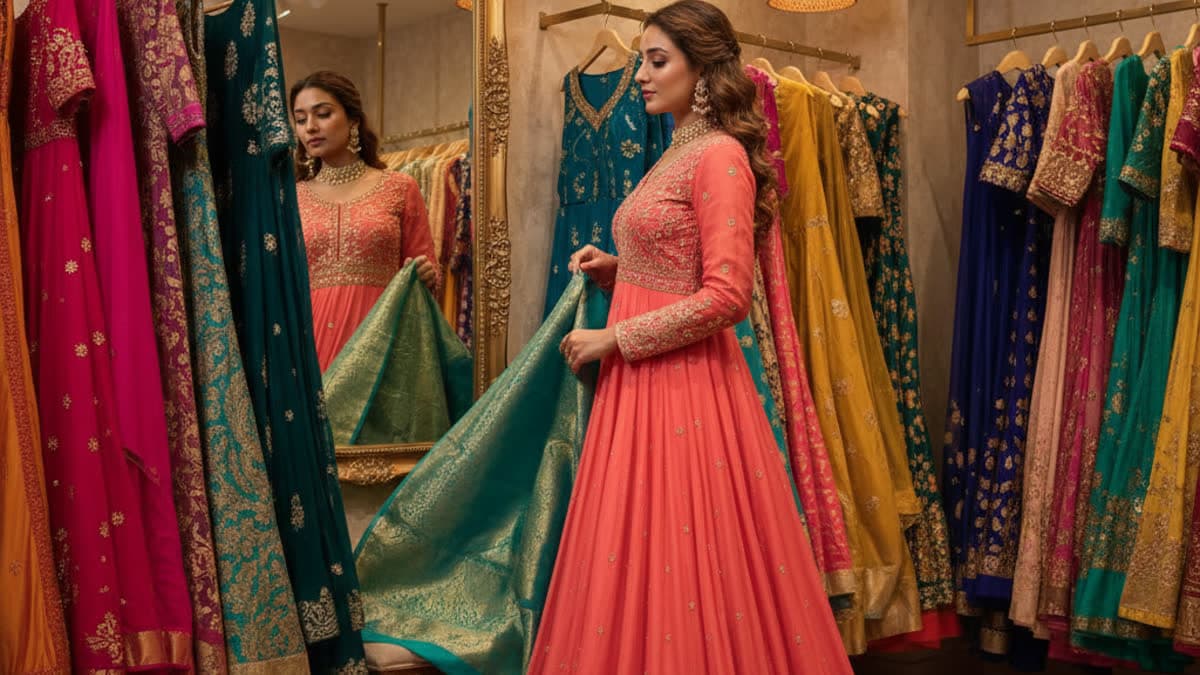
You stand in front of a rack of gorgeous sarees at a boutique in Lajpat Nagar, or scroll through pages of anarkalis at 11 PM, and feel that familiar overwhelm creeping in. The colours are stunning, the embroidery is exquisite, but will any of it actually look good on you? Learning how to select right Indian wear is not about following trends or copying celebrity looks — it is about understanding what flatters your unique shape, skin tone, and the occasion you are dressing for.
Most Indian women make the same mistake. They buy a beautiful kanjeevaram or a heavily embellished lehenga because it looked perfect on the mannequin or the model, only to find it sits awkwardly at the waist, makes the shoulders look broader, or simply does not feel like them. The problem is not your body — it is that nobody taught you how to match Indian silhouettes to your natural shape.
This guide changes that. By the end, you will know exactly how to pick sarees, salwar suits, lehengas, kurtis, and anarkalis that make you feel confident and look effortlessly put together. Everything here is simple, reliable, and can be done at home — no apps, no expensive consultations, and no confusing fashion jargon.
Why Selecting the Right Indian Wear Matters for Indian Women
Indian women come in every shape and size, from the petite frames common in the North-East to taller, broader builds seen across Punjab and Haryana, to curvier silhouettes in South India and everywhere in between. Our bodies are diverse, and so are the occasions we dress for — yet most styling advice online is written for Western bodies and Western wardrobes. Knowing how to select right Indian wear answers the questions you face almost every week: Should you pick a cotton saree or a georgette one for your cousin's mehendi? Will that anarkali make you look shorter? When you understand the basics, you stop wasting money on pieces that hide in your cupboard and start building a wardrobe where every item earns its place.
The 6 Main Types of Indian Wear — Quick Overview
Before we dive into body types and occasions, let us quickly look at the six categories of Indian ethnic wear every woman should know. Each has its own silhouette, personality, and ideal use case.
- Saree: A timeless drape of 5.5 to 9 yards, available in everything from crisp cotton to luxurious silk. The most versatile Indian garment, it can be styled for daily wear or the grandest wedding.
- Salwar Suit: A three-piece ensemble of kameez (tunic), salwar (bottom), and dupatta. Comfortable, modest, and endlessly adaptable for home, work, or festivities.
- Lehenga: A heavily embroidered skirt paired with a blouse (choli) and dupatta. The go-to choice for weddings, sangeets, and reception nights.
- Anarkali: A floor-length, frock-style kameez that flares from the bust or waist. Dramatic, elegant, and perfect for festive occasions when you want regal coverage.
- Kurti Set: Shorter or knee-length kurtas paired with palazzos, cigarette pants, or skirts. A practical choice for women who want comfort and style in equal measure.
- Indo-Western: Fusion pieces like dhoti pants with crop tops, saree gowns, or jacket-style lehengas. Great for cocktail parties and events where you want to stand out.
How to Determine Your Body Type at Home — Step by Step
This is the part most guides skip. They tell you to dress for your body type but never explain how to actually figure out what your body type is. You do not need a stylist or a salon appointment — just a measuring tape and 10 minutes in front of a mirror.
What You Need
- A soft measuring tape (the kind tailors use)
- A notebook to jot down numbers
- A full-length mirror
- Fitted clothing like a tank top and leggings, so nothing adds bulk
The Measurements
- 1Shoulders: Wrap the tape around the fullest part of your shoulders and upper back, keeping it level. Note the number.
- 2Bust: Measure around the fullest part of your chest, keeping the tape level and not too tight.
- 3Waist: Find the narrowest part of your torso, usually just above the belly button, and measure around it.
- 4Hips: Measure around the fullest part of your hips and bottom, making sure the tape stays parallel to the floor.
Take your measurements in the morning, before a heavy meal, and stand naturally — do not suck in your stomach. The goal is honest numbers, not aspirational ones.
Reading Your Results
Now compare your four numbers to find your body type. There is no ideal here — every shape has Indian wear that looks absolutely stunning on it.
- Pear (Triangle): Your hips are significantly wider than your shoulders. Your lower body is your standout feature.
- Apple (Round): Your bust and midsection are fuller, with narrower hips and relatively slimmer legs.
- Hourglass: Your bust and hips are roughly equal, with a clearly defined, narrower waist.
- Rectangle (Straight): Your shoulders, waist, and hips are fairly similar in width. You have a lean, athletic build.
- Inverted Triangle: Your shoulders are broader than your hips. You may have a fuller bust and slimmer lower body.
Want Ethnic Wear That Flatters YOUR Body Type?
Get Indian wear recommendations for your shape, skin tone, and occasion — sarees, suits, lehengas & more.
If your measurements fall between two categories, do not worry. Most Indian women are a mix. Start with the category that matches your widest measurement and adjust from there.
Best Indian Wear Styles for Each Body Type
Now comes the fun part. Here is how to select right Indian wear for your specific shape, keeping in mind the fabrics, cuts, and draping styles that work best for Indian women.
- Pear Shape: Balance your proportions with A-line lehengas, flared anarkalis, and sarees draped in the seedha pallu or Gujarati style to draw the eye upward. Avoid tight churidars and heavily embellished bottoms. Chanderi and georgette work beautifully here.
- Apple Shape: Look for empire-line anarkalis, layered kurti sets, and sarees with longer blouses that cover the midriff. Fabrics like soft silk, flowing georgette, and lightweight cotton create vertical lines without clinging. Avoid heavy borders and bulky embroidery around the waist.
- Hourglass Shape: Fitted silhouettes are your best friend. Think well-tailored saree blouses, mermaid-cut lehengas, and belted anarkalis that cinch at the waist. Silk, raw silk, and structured brocade highlight your natural curves. Avoid boxy, shapeless cuts that hide your waist.
- Rectangle Shape: Create curves with belted lehengas, peplum blouses, and sarees with heavy pallus or ruffled details. Dhoti-style salwar suits and layered kurtis add dimension. Cotton, organza, and textured fabrics add volume where you want it.
- Inverted Triangle: Soften broad shoulders with V-neck and deep-neck blouses, A-line kurtas, and lehengas with flared skirts that add volume to the lower body. Avoid heavy embroidery on the blouse and high necklines. Flowing fabrics like chiffon and georgette work wonders.
Selecting Indian Wear for Every Occasion
- Daily Wear: Comfort and ease of movement come first. Cotton kurtis with palazzos or straight pants, lightweight cotton sarees like Bengal cotton or Kota doria, and simple salwar suits in breathable fabrics are ideal. Prices typically range from ₹800 to ₹2,500.
- Office: Look polished without being overdone. Straight-cut kurti sets in chanderi or cotton silk, subtle printed sarees with minimal jewellery, and ankle-length anarkalis in muted tones work well. Avoid heavy sequins, loud prints, and lehengas entirely. Budget around ₹1,500 to ₹4,000.
- Festive: This is where you bring out the colour. Silk sarees from Banaras or Kanchipuram, anarkalis in jewel tones, and lehengas with gota patti or mirror work are perfect for Diwali, Eid, Durga Puja, and Navratri. Fabrics like silk, brocade, and velvet in rich colours like maroon, emerald, and mustard shine here. Expect to spend ₹3,000 to ₹12,000.
- Wedding: Go all out. Heavy lehengas in velvet or silk with intricate zardozi, bridal Kanjeevaram sarees, and floor-length anarkalis with full dupattas are the norm. For guest outfits, focus on one statement piece — either a heavily worked lehenga skirt or a dramatic blouse. Budget from ₹8,000 to ₹35,000 depending on your relation to the couple.
- Casual Outing: Indo-western pieces rule here. Dhoti pants with short kurtis, cotton sarees paired with denim jackets, and asymmetric kurtis with cigarette pants are comfortable and Instagram-worthy. Stick to cotton, linen, and light georgette. Prices range from ₹1,200 to ₹3,500.
“I used to buy every trending lehenga I saw on Instagram and feel terrible when it did not suit me. After understanding my pear shape and which fabrics actually work for daily wear versus weddings, I have stopped wasting money. Last month, I wore a flared anarkali in chanderi to my sister's engagement and got more compliments than ever before.”
Fabric and Colour Guide for Indian Women
Fabric and colour can make or break an outfit. The same anarkali cut in heavy velvet versus flowing georgette will look completely different on the same body. Warm Indian skin tones glow in mustard, maroon, emerald, and coral, while deeper tones look stunning in jewel shades and rich metallics. For daytime events, choose pastels and earth tones. For evening weddings, go deep and dramatic.
- Cotton & Pastels: Best for daily wear, summer weddings, and humid climates like Chennai or Mumbai. It breathes, holds structure for kurtis, and looks elegant in handloom sarees. Choose soft pastels, indigo, and earthy tones for daytime.
- Chanderi & Jewel Tones: A lightweight, sheer fabric with a subtle shine. Perfect for festive kurtis, anarkalis, and sarees in emerald, maroon, or mustard when you want elegance without the weight of silk.
- Silk & Rich Metallics: Kanjeevaram, Banarasi, and Tussar are the gold standard for weddings. Deep reds, golds, and royal blue flatter warm Indian skin tones beautifully. Prices start around ₹5,000 for a good silk saree.
- Georgette & Flowing Hues: Fluid, forgiving, and versatile. Georgette sarees and anarkalis work for almost every body type because they skim rather than cling. Choose wine, teal, or charcoal for evening events; blush and lavender for daytime functions.
- Chiffon & Soft Drapes: Light, dreamy, and perfect for draped sarees and layered lehengas. Pair with deeper lining colours like navy or plum. Excellent for women who want softness and movement.
- Velvet & Winter Depths: Heavy, warm, and deeply luxurious. Reserve for winter weddings and northern climates. Burgundy, forest green, and midnight black add drama. Pear and apple shapes should use it strategically — in a blouse or dupatta rather than a full lehenga skirt.
Common Mistakes to Avoid When Buying Indian Wear
Even with the best intentions, it is easy to go wrong. Here are the mistakes our stylists see Indian women make again and again — and how to avoid them.
- Buying without trying or measuring: Online shopping is convenient, but Indian wear sizing varies wildly between brands. Always check the size chart, measure yourself, and read reviews about fit before ordering.
- Ignoring the fabric: A beautiful design in the wrong fabric will look cheap or feel uncomfortable. Touch and feel whenever possible. If buying online, zoom in on fabric texture and read descriptions carefully.
- Following trends that do not match your body type: Not every woman can carry off a cropped blouse or a ruffled lehenga. Trends come and go, but dressing for your shape is timeless.
- Wearing the wrong undergarments: The foundation matters. A poorly fitted petticoat can ruin a saree drape. The wrong bra shape can distort a blouse fit. Invest in good shapewear, well-fitted petticoats, and seamless undergarments.
- Buying for a fantasy version of yourself: Purchase for the life you actually live. If you work from home and attend one wedding a year, you do not need five lehengas. Build a wardrobe around your real routine.
What to Do After You Know Your Body Type
Knowing your body type and how to select right Indian wear is just the beginning — the real transformation happens when you apply this knowledge consistently and stop buying on impulse. If you want to take the guesswork out entirely, the Divas Club Daily Styling package at ₹1,999 gives you a detailed body type analysis, a personalised colour palette based on your skin tone, and 32 curated looks including ethnic wear for daily wear, office, festivals, and weddings — all matched to your shape, budget, and lifestyle. No more confusion, no more returns. Just clear, friendly guidance from stylists who understand Indian bodies, Indian occasions, and Indian wardrobes.
Look Stunning in Indian Wear — Every Occasion.
Body type analysis + ethnic wear guide + 32 looks including sarees, suits, and lehengas for YOU.
Get Your Ethnic Wear GuidePersonalised styling by Divas Club
More Style Tips
Kurti Styling Tips — How to Style Kurtis for Every Occasion
One kurti, five looks. Master the art of styling kurtis for office, casual outings, festive events, and everything in between.
Ethnic Wear Styling Tips Every Indian Woman Should Know
A ₹800 suit can look designer — if you style it right. 8 ethnic wear secrets that change everything.
5 Accessories That Elevate Every Ethnic Outfit
Simple outfit + right accessories = showstopper. These 5 pieces transform any ethnic look from basic to breathtaking.