Old Money Style for Indian Women — The Quiet Luxury Aesthetic

Quality over logos. The complete Indian guide to old money styling — from wardrobe essentials to quiet luxury secrets that never go out of fashion.
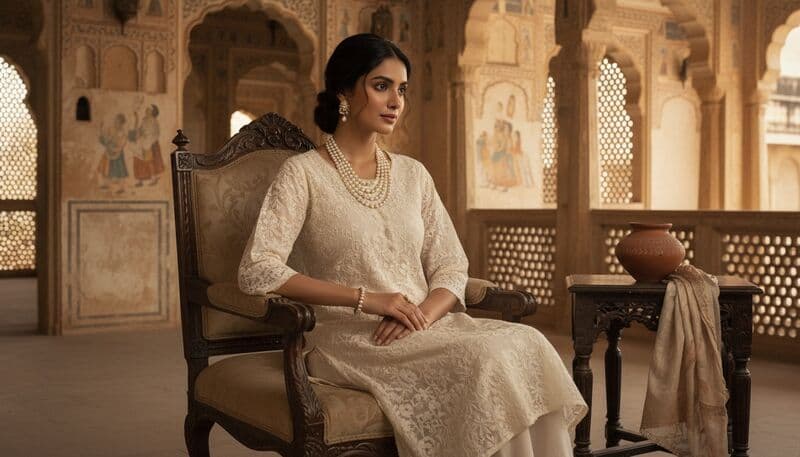
There is a certain woman you probably admire — she walks into a room and everything just feels effortless. Her clothes are simple, well-fitted, and nothing has a visible logo. Yet she looks like she spent thoughtfully, not impulsively. That is old money style.
The aesthetic has been trending for a few years now, but for Indian women, it is not new. Our mothers and grandmothers were practising it with handloom sarees, gold Strinivasan kurtas, and leather Kolhapuri slippers that lasted 20 years. Old money style is really just respecting quality, caring for what you own, and buying less but better.
This guide covers exactly how to build an old money wardrobe in the Indian context — from fabric choices and essential pieces to the colours and details that make the whole aesthetic come together.
What Exactly Is Old Money Style?
Old money style is not about looking wealthy. It is about looking considered. The people who coined the term did not buy things to impress anyone. They bought one excellent coat instead of ten mediocre ones. They kept it for decades. The clothes had to work across many contexts — a Sunday lunch, a business meeting, a village wedding.
In the Indian context, old money aesthetics shows up as cream cotton sarees with minimal blouses, pressed white kurtas, gold jewellery that looks like it could have been your grandmother's, and leather footwear that has been polished to perfection. The common thread is quality fabrics, classic cuts, and a colour palette that does not date.
“Old money style is not about what you spent. It is about how you wear what you have — with care, intention, and confidence.”
The Old Money Colour Palette for Indian Skin Tones
One of the most recognisable aspects of old money style is its restrained colour palette. Think naval blue, ivory, camel, olive, burgundy, and cream. These colours photograph beautifully and — more importantly — they flatter most Indian skin tones.
The key is building a wardrobe where every piece can be combined with every other piece. That is only possible when the colours share a similar depth and undertone.
- Ivory and cream — The backbone of the palette. A cream cotton kurta or ivory silk saree works for every occasion from a puja to a formal lunch.
- Navy blue — Elegant, slimming, and universally flattering across warm, cool, and neutral Indian undertones.
- Camel and tan — Especially beautiful on wheatish and dusky skin tones. Think leather sandals, handbags, and belts in camel.
- Olive green — Underrated and incredibly versatile. A olive kurta with gold jewellery is an effortlessly sophisticated combination.
- Burgundy and wine — The one statement colour in an otherwise neutral palette. Deep, rich, and deeply flattering for Indian women.
- White and off-white — Clean, crisp, and perfect for summer. White cotton kurtas, white shirts, white palazzo pants — all work together.
When building an old money wardrobe, avoid anything with bold prints, loud logos, or neon colours. Even in ethnic wear, a subtle Ajrakh block print or a fine Chikankari hand embroidery fits the aesthetic far better than a loud floral print from a fast fashion brand.
10 Wardrobe Essentials Every Indian Woman Needs
An old money wardrobe is built on fewer, better pieces. Here are the 10 items that form the foundation.
- A crisp white cotton kurta — Well-fitted, quality cotton, minimal stitching. The single most versatile piece in an Indian woman's old money wardrobe.
- A navy or cream silk saree — Not for weddings only. A simple silk saree in navy or cream with a tailored blouse is appropriate for a business lunch, a family gathering, or a formal dinner.
- A well-cut white shirt — Oxford cloth, mother-of-pearl buttons if possible. The kind of shirt that looks better ironed than washed.
- Tailored straight trousers or cigarette pants — In navy, cream, or olive. These replace jeans as your default bottom for a more refined look.
- A quality leather handbag — One in tan and one in black. Structured, not slouchy. It should look as good at 10 years as it did on day one.
- Polished leather footwear — Kolhapuri slippers in well-maintained leather, a pair of pointed ballet flats in nude, and simple heeled sandals in tan.
- A well-structured blazer or long coat — In winter, layering a blazer over ethnic wear instantly elevates the old money aesthetic.
- Fine gold jewellery — Thin gold chains, simple jhumkas, a gold bangle or two. The key word is fine — not chunky, not oversized.
- A printed or woven shawl or pashmina — Carried over the shoulders or wrapped loosely. Adds a layer of elegance to any outfit.
- A good-quality leather belt — Thin, in tan or black. It changes the silhouette of a kurta or shirt when belted at the waist.
On a budget, look for old money wardrobe pieces at FabIndia, The Row House, and specialty handloom stores. A ₹1,500 handloom cotton kurta that fits well and is well-maintained will outlast and outshine a ₹3,000 polyester piece from a high-street brand.
How to Style Old Money Outfits for Indian Occasions
Office and Work Meetings
Old money style works beautifully for Indian corporate settings. A crisp white kurta with cigarette pants and a thin gold chain reads as polished, competent, and confident. Add a structured handbag and minimal jewellery. Skip the jhumkas — stick to small studs or a thin pendant.
Family Gatherings and Lunches
A cream silk saree with a simple gold necklace and Kolhapuri slippers is the old money look for family gatherings. Keep the blouse well-fitted, the saree neatly draped, and the jewellery fine. The look says I care about this event without trying too hard.
Festive and Puja Events
Want This Personalised for YOU?
Get your face shape, body type & skin tone analysed — plus 32 ready-to-wear looks.
Old money does not mean boring. For a puja or festive event, choose a hand-embroidered off-white or ivory kurta with a printed shawl, gold jhumkas, and polished Kolhapuri slippers. The restraint of the palette makes the craftsmanship of the outfit the star.
Weekend Brunches and Outings
A white shirt tucked into high-waisted wide-leg cream trousers with ballet flats and a silk scarf tied loosely at the neck. This is effortlessly Parisian meets Indian — and it works for brunch, a gallery visit, or a long weekend lunch.
The 5 Habits That Make the Aesthetic Come Alive
Old money style is not just about the clothes — it is about how you maintain and wear them.
- 1Iron or steam everything. Wrinkled fabric destroys the aesthetic instantly. A well-ironed ₹500 cotton kurta looks better than a creased ₹3,000 designer piece.
- 2Polish your leather footwear. Scuffed Kolhapuri slippers or dusty ballet flats are the fastest way to break the old money illusion. Keep a shoe polishing kit at home.
- 3Maintain your jewellery. Gold jewellery should be cleaned regularly. Tarnished silver or dull gold undermines the sophistication of the look.
- 4Buy less, choose well. One good kurta in handloom cotton is worth five polyester ones. Quality over quantity is the entire philosophy.
- 5Own your outfit with confidence. The most expensive outfit looks cheap if the person wearing it looks uncomfortable. Old money style is fundamentally about ease — clothes that fit well and make you feel settled, not showy.
“The woman in a perfectly pressed white kurta and simple gold jhumkas with polished Kolhapuri slippers will always outshine the woman in an expensive, ill-fitted, loudly branded outfit.”
Old Money Style on a Budget — It Is Absolutely Possible
The biggest myth about old money style is that it requires wealth. It does not. It requires thoughtfulness. A ₹600 handwoven cotton kurta from a weaver's cooperative, washed carefully and ironed properly, is more old money than a ₹4,000 machine-embroidered polyester suit that wrinkles the moment you sit down.
Indian markets are full of old money aesthetic pieces if you know where to look.
- Maheshwar and Chanderi — Handloom stores in these towns sell beautiful silk and cotton sarees and kurtas directly from weavers at genuine prices.
- FabIndia — Their cotton kurtas, palazzo pants, and simple jewellery fit the old money aesthetic perfectly at ₹500-₹2,000.
- Local tailors — A well-fitted kurta from a good tailor in quality fabric will always look better than a loose one from a fast fashion brand.
- Second-hand and vintage — Handloom sarees, leather bags, and gold jewellery from family or vintage markets are often the most authentic old money pieces you can find.
If you are building an old money wardrobe from scratch, start with three white or cream kurtas, one navy cigarette pant, and one silk saree. These four pieces can create 15+ different outfit combinations. Add the others gradually.
What to Avoid in Old Money Style
The old money aesthetic is defined as much by what it excludes as by what it includes.
- Avoid visible logos and branding. If someone can see the brand name from across the room, it does not fit the aesthetic.
- Avoid oversized or baggy clothing. Old money means well-fitted. Not tight — fitted. The garment skims the body without clinging or swamping it.
- Avoid synthetic fabrics. Polyester, acrylic, and synthetic blends do not age well. They pill, fade, and lose shape after a few washes.
- Avoid trendy, fast-fashion pieces. Bell-bottoms, oversized blazers, micro bags — these will date quickly. Stick to classic cuts that have worked for decades.
- Avoid mixing too many colours or prints. Restraint is the point. One printed element per outfit maximum.
Old money style is ultimately a long-term relationship with your wardrobe. Buy well, maintain carefully, wear thoughtfully, and keep for decades. It is the opposite of fast fashion — and in a world of constant new trends, that is precisely what makes it so appealing.
The result is a wardrobe that works for every occasion in your life — from your child's school event to a business dinner — without ever feeling like you are trying too hard. That is the quiet power of old money style.
Want to know exactly which colours, cuts, and styles work for your unique body type, face shape, and skin tone? Your Personalised Style Report at Divas Club includes a complete wardrobe analysis — including which colours make your skin glow, which silhouettes flatter your body type, and 32 fully styled looks built around your specific features. The report is available for ₹1,999 and takes just 30 minutes.
Stop Guessing. Start Dressing With Confidence.
Get your face shape, body type & skin tone analysed — plus 32 ready-to-wear looks made just for you.
Get Your Personalised ReportPersonalised styling by Divas Club
More Style Tips
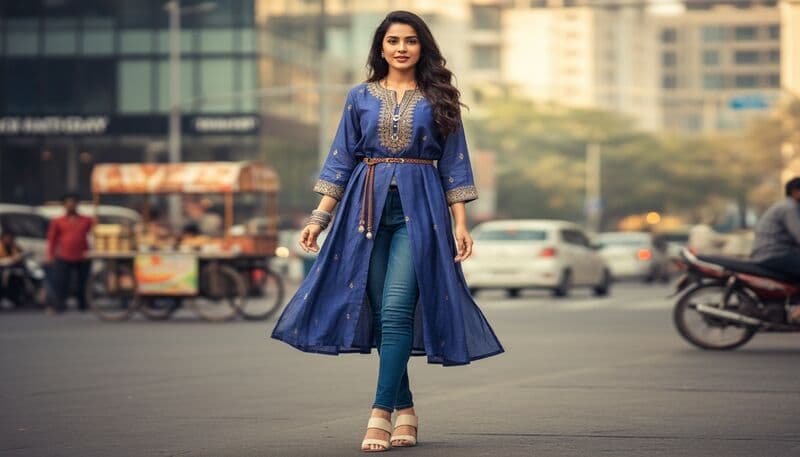
How to Style Jeans for Indian Women — Beyond the Basics
From office to festivals, jeans can do it all. The complete Indian woman's guide to styling every cut, fit, and wash.
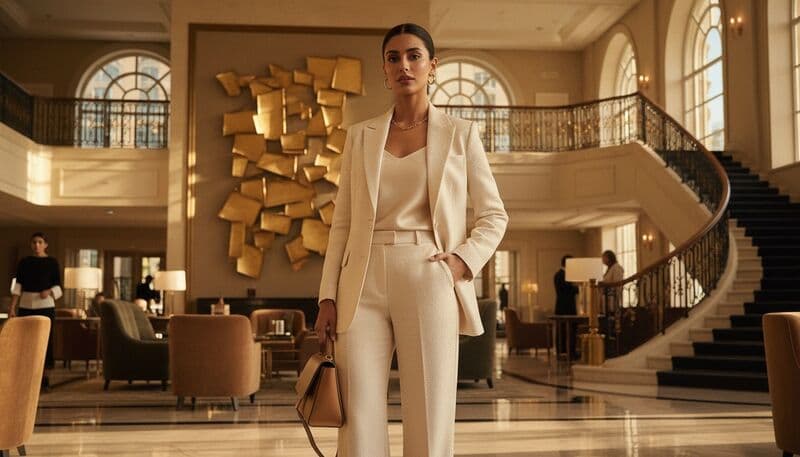
How to Look Expensive on a Budget — Indian Women's Guide
Fit over fashion. Iron over labels. These 8 tricks make a ₹500 outfit look like ₹5,000.
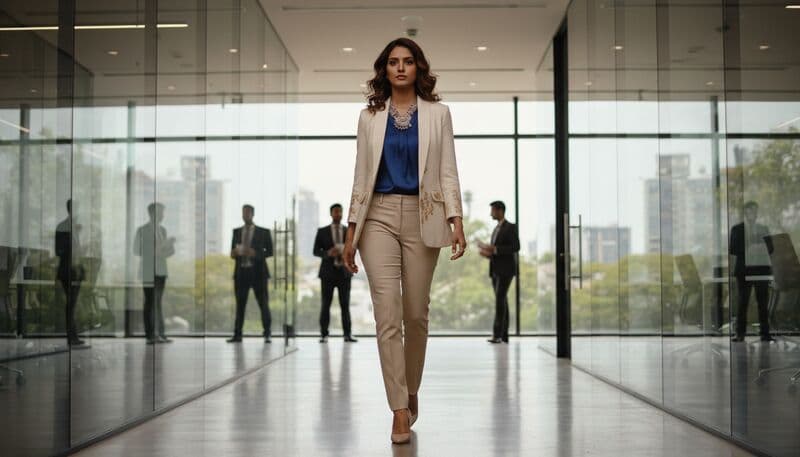
10 Office Wear Outfits Every Indian Woman Needs
Ten outfit formulas that end the morning wardrobe panic forever.